
HelpKnow AI vs Tidio: Which AI Support Platform Wins?
Choosing between HelpKnow AI and Tidio comes down to one core question: are you optimizing for enterprise-grade autonomous resolution or for a lightweight, ecommerce-friendly chat tool? Both platforms use AI to reduce support workload, but they target different operating realities. HelpKnow AI is built for organizations that need deep knowledge ingestion, high automatic resolution rates, and compliance-grade data controls. Tidio is built for growing businesses that want a quick-to-launch chat widget with a capable but more bounded AI assistant.
This comparison breaks down the differences in AI resolution, knowledge handling, omnichannel reach, analytics, compliance, and the types of teams each platform serves best.
Quick Verdict
Tidio product interface.
Choose HelpKnow AI if you need an enterprise AI agent platform with a 95% automatic problem resolution rate, multi-format knowledge ingestion, customizable AI personas, and global compliance standards like GDPR and CCPA.
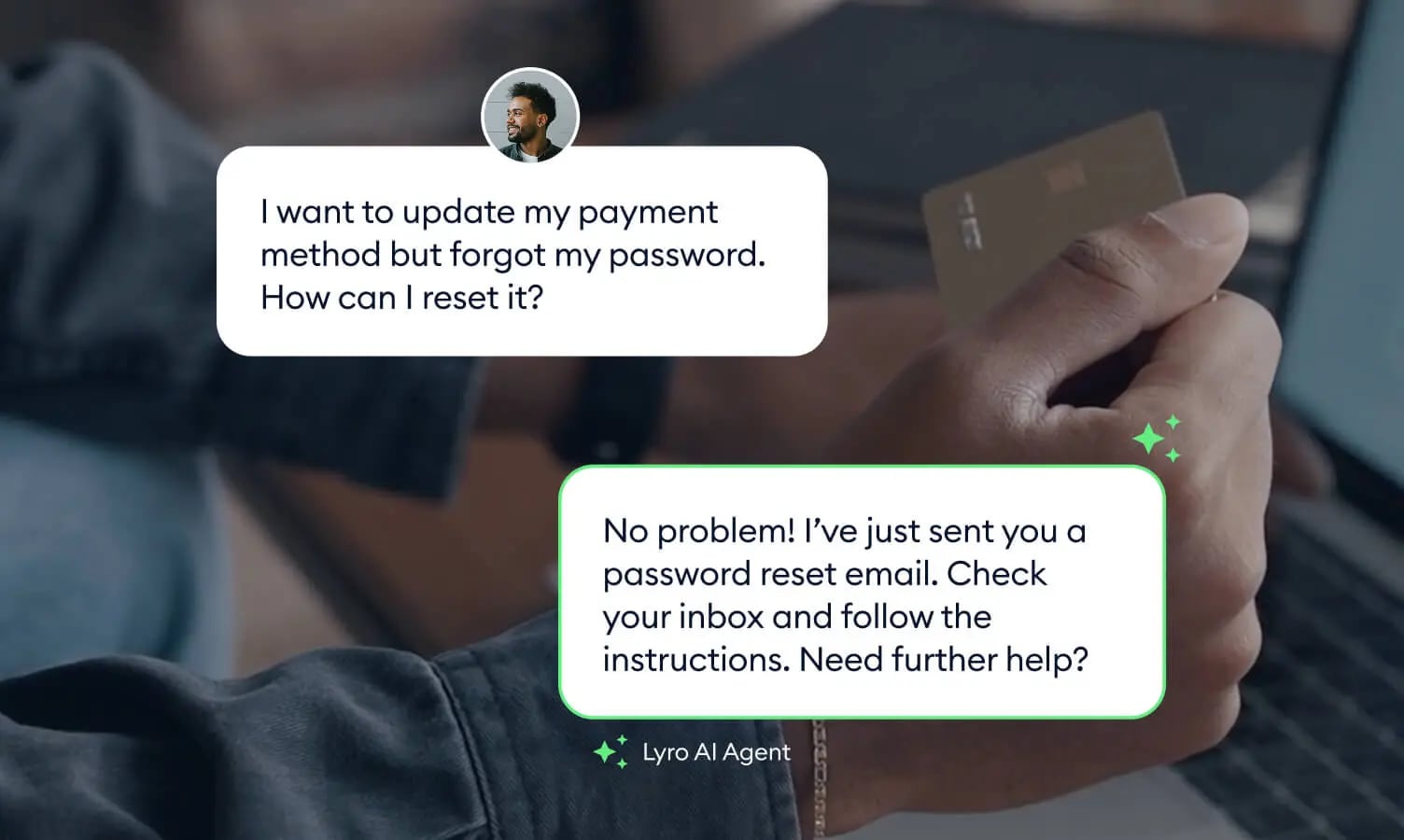
Choose Tidio if you run an ecommerce store or small-to-medium business and want a fast-deploy live chat widget with Lyro AI handling routine questions, plus a shared help desk inbox.
The gap between the two is substantial. HelpKnow AI positions itself as a platform for over 1,000 enterprises seeking a 70% reduction in customer service costs. Tidio positions itself as a scalable tool for over 300,000 businesses, with Lyro solving up to 67% of customer problems. That resolution gap, combined with differences in knowledge ingestion depth and compliance posture, defines the practical trade-off.
AI Resolution Capability: 95% vs 67%
Tidio product interface.
The most important number in any AI support comparison is the percentage of customer problems the system can resolve without human intervention.
HelpKnow AI: 95% Automatic Resolution
HelpKnow AI reports a 95% automatic problem resolution rate. That figure is supported by its core architecture: the platform ingests documents, FAQs, and product databases, then uses AI-powered intent recognition to match queries to accurate answers. Instead of relying on a fixed decision tree, the system learns from the knowledge you already have. When a customer asks a variation of a question, the AI understands intent and context rather than requiring exact keyword matches.
This depth of resolution matters for enterprises where support volume is high and the cost of human escalation is significant. A 95% resolution rate means only one in twenty conversations requires agent intervention, which directly drives the platform's reported 70% reduction in customer service costs.
Tidio: Lyro Solves Up to 67%
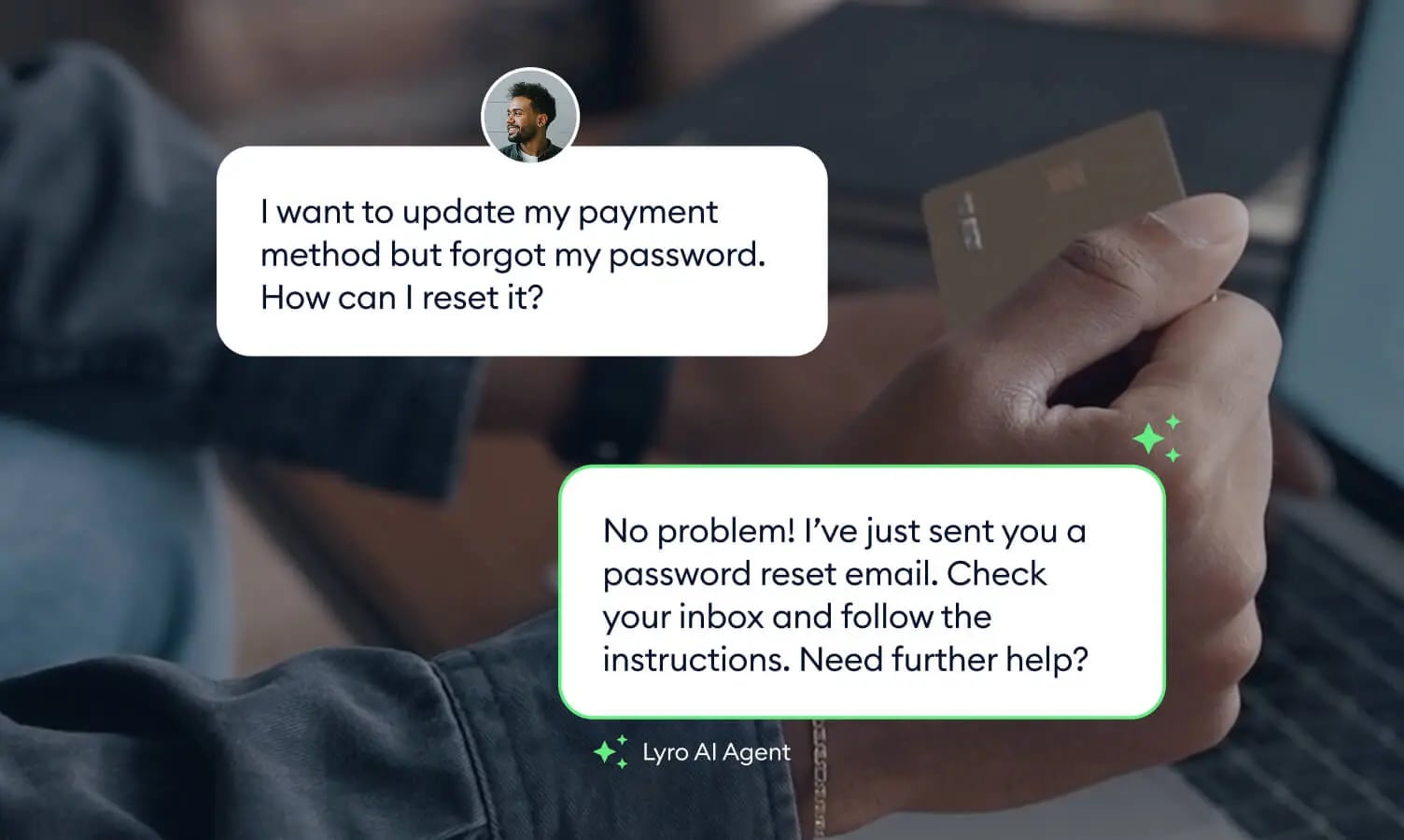
Tidio's Lyro AI Agent can solve up to 67% of customer problems in seconds. That is a meaningful automation rate for a platform aimed at ecommerce stores and growing businesses, and it reflects Lyro's ability to handle repetitive inquiries like order status, shipping questions, and return policies.
However, the 28-point gap between 67% and 95% represents a very different support operating model. At 67% resolution, roughly one in three conversations still requires a human agent. At 95%, the human team handles only exceptional cases. For a small team, Tidio's automation may be sufficient. For an enterprise with thousands of daily tickets, the difference compounds into measurable staffing and cost implications.
Why Resolution Depth Varies
The difference is not just a marketing metric. It reflects architectural choices:
- Knowledge ingestion: HelpKnow AI supports multi-format data ingestion from documents, FAQs, and product databases. Tidio's Lyro works from a knowledge base but is optimized for ecommerce-style FAQs and product information.
- Intent recognition: HelpKnow AI emphasizes AI-powered intent recognition for accurate query matching. Tidio focuses on conversational flow and quick answers for common ecommerce scenarios.
- Escalation design: Both platforms support human handoff, but HelpKnow AI adds role-based escalation workflows, which allow enterprises to route complex issues to the right specialist automatically.
Knowledge Base and Setup Depth
How much effort does it take to make the AI useful? The answer depends on how the platform ingests and maintains knowledge.
HelpKnow AI: Multi-Format Ingestion and Minimal Technical Effort
HelpKnow AI is designed for enterprises that already have substantial support content scattered across systems. The platform lets you upload documents, FAQs, and product databases directly. The AI then generates responses automatically from that material. When you update a source document, future conversations reflect the change without retraining a bot or rebuilding decision trees.
This approach mirrors a broader trend in AI automation: knowledge base automation pulls answers from existing help docs and past tickets, so the assistant improves as you add documentation. HelpKnow AI applies this principle at enterprise scale, with support for multiple data formats and seamless integration with existing customer support systems.
Tidio: Fast Setup for Ecommerce Knowledge
Tidio is built for speed of deployment. You can install the chat widget, connect Lyro to your help center or FAQ content, and start automating common questions quickly. The platform's 300,000+ business user base reflects this low-friction onboarding.
The trade-off is flexibility. Tidio's knowledge model works well for product catalogs, shipping policies, and standard ecommerce inquiries. It is less oriented toward the complex, multi-format knowledge environments typical of large enterprises with extensive internal documentation, regulatory content, and multi-product databases.
Omnichannel Support and Integration
Both platforms claim omnichannel capabilities, but the scope differs meaningfully.
HelpKnow AI: Desktop, Website, and Social Media
HelpKnow AI supports omnichannel integration across desktops, websites, and social media. For an enterprise, this means the same AI agent can answer questions on a corporate website, inside a desktop application, and through social channels without duplicating knowledge or losing conversation context.
The platform also offers role-based human escalation workflows. When the AI cannot resolve an issue, the conversation routes to the appropriate human role based on the nature of the problem. This preserves conversation history so customers never repeat themselves.
Tidio: Live Chat Widget and Multi-Channel Tickets
Tidio's strength is its live chat widget, which provides instant engagement on a website. The platform also manages multi-channel tickets in one dashboard, so conversations from chat, email, and social channels land in a single help desk view.
This is a practical setup for ecommerce and service businesses. However, Tidio's omnichannel scope is more focused on the website-first experience. HelpKnow AI's broader channel integration, including desktop applications, makes it more suitable for enterprises with diverse customer touchpoints.
Analytics and Conversation Quality Monitoring
HelpKnow AI: Real-Time Conversation Quality Analytics
HelpKnow AI includes conversation quality analytics with real-time monitoring. This means support leaders can see how the AI is performing at any moment, identify conversations where quality is slipping, and intervene before issues escalate. For enterprises managing thousands of automated conversations daily, this visibility is not optional; it is a governance requirement.
The analytics also feed into continuous improvement. By monitoring which queries the AI handles well and which ones trigger escalations, teams can refine knowledge sources and adjust AI personas.
Tidio: Help Desk Metrics and Reporting
Tidio provides help desk reporting through its dashboard, including ticket volume, response times, and resolution metrics. The Cove Smart case study highlights measurable outcomes: a 70% increase in self-service resolution, an 80% reduction in response times, and a 35% boost in customer satisfaction.
These are strong proof points for Tidio's target market. The difference is depth: Tidio's analytics are oriented toward help desk operations, while HelpKnow AI's analytics focus on conversation quality and AI performance monitoring in real time.
Compliance and Data Protection
HelpKnow AI: Global Compliance Standards
HelpKnow AI explicitly ensures data protection compliance with global standards including GDPR, CCPA, and others. For enterprises operating in regulated industries or across multiple jurisdictions, this compliance posture is a hard requirement, not a nice-to-have. The platform's enterprise focus means data handling, retention, and privacy controls are built into the core architecture.
Tidio: Standard Data Protection
Tidio, like most SaaS platforms, provides standard data protection measures. However, its product context does not emphasize the same depth of global compliance coverage. For a small ecommerce business, standard protections may be sufficient. For an enterprise handling sensitive customer data across regions, the explicit GDPR and CCPA compliance of HelpKnow AI is a differentiator.
Customization and Brand Voice
HelpKnow AI: Customizable AI Personas
HelpKnow AI supports customizable AI personas to match brand voices. This goes beyond setting a bot name and avatar. Enterprises can shape how the AI communicates, the tone it uses, and the personality it projects. For brands with carefully managed customer experience standards, this level of persona control ensures automated conversations feel consistent with human-led interactions.
Tidio: Conversational AI with Human Touch
Tidio's value proposition is scaling customer service without losing the human touch. Lyro is designed to feel conversational and helpful, and the platform emphasizes trustworthy AI. However, the depth of persona customization is more limited compared to HelpKnow AI's enterprise-oriented persona controls.
Use Case Comparison
| Capability | HelpKnow AI | Tidio |
|---|---|---|
| Automatic resolution rate | 95% | Up to 67% |
| Knowledge ingestion | Multi-format (documents, FAQs, product databases) | Help center / FAQ content |
| Omnichannel scope | Desktop, website, social media | Website chat, email, social tickets |
| Analytics | Real-time conversation quality monitoring | Help desk metrics and reporting |
| Compliance | GDPR, CCPA, and global standards | Standard data protection |
| AI persona customization | Customizable personas | Conversational AI with human touch |
| Human escalation | Role-based workflows | Smart handoff |
| Target users | 1,000+ enterprises | 300,000+ businesses of all sizes |
| Reported cost reduction | 70% customer service cost reduction | Case-specific efficiency gains |
When Tidio Is the Better Choice
Tidio product interface.
Tidio is not a weak platform. For the right use case, it is an excellent tool.
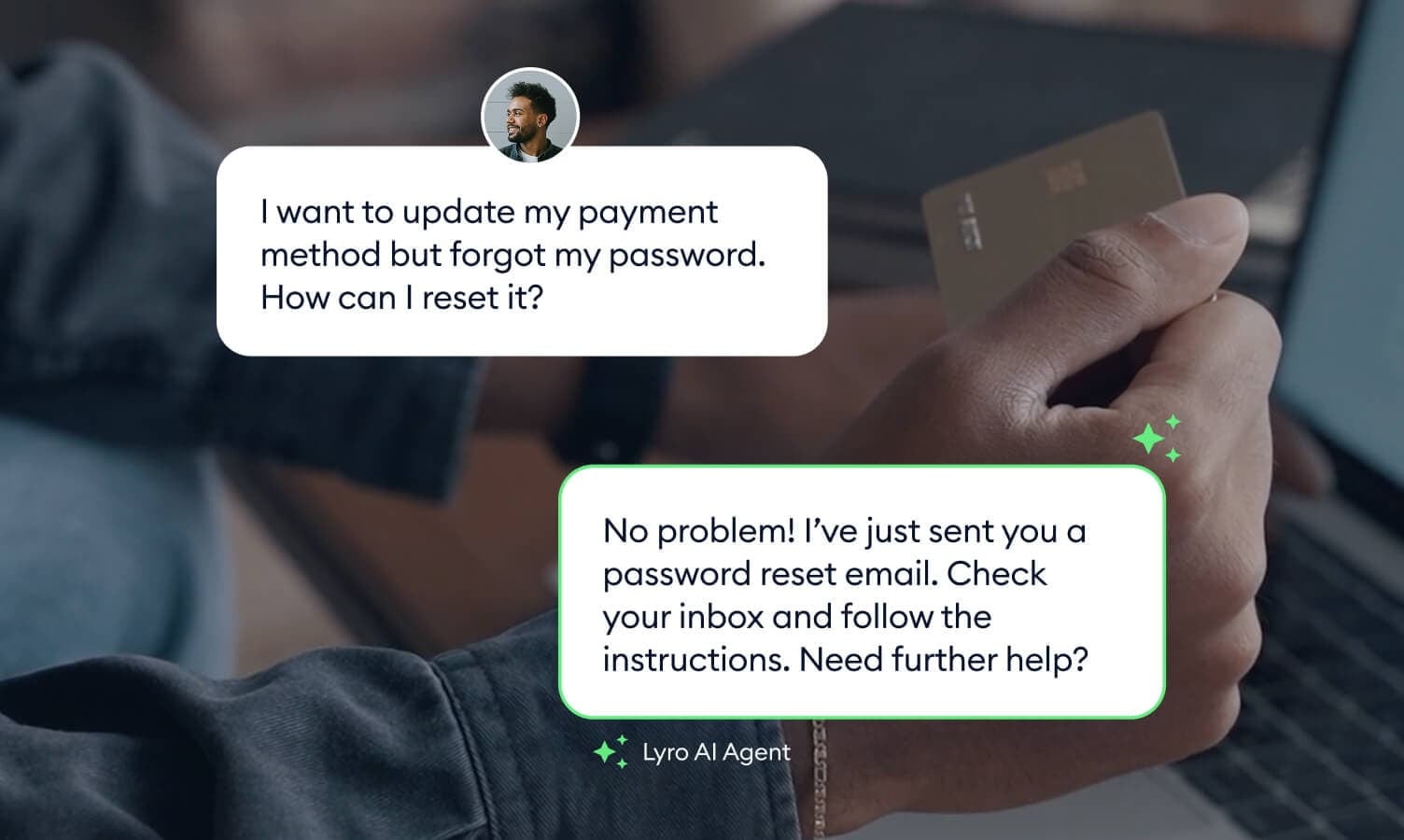
Ecommerce stores with high-volume, repetitive inquiries benefit from Lyro's ability to answer order status, shipping, and return questions instantly. The live chat widget is easy to install, and the help desk consolidates conversations from multiple channels. The Cove Smart case study demonstrates real results: 70% more self-service resolution, 80% faster response times, and 35% higher customer satisfaction.
Small teams with limited technical resources appreciate Tidio's fast setup. You can launch a functional AI chatbot without significant technical effort, which is why the platform has attracted over 300,000 businesses.
Businesses that prioritize live chat engagement over autonomous resolution will find Tidio's chat-first design intuitive. The platform is built around the widget experience, making it natural for websites where real-time engagement is the primary goal.
When HelpKnow AI Is the Better Choice
HelpKnow AI wins when the stakes are higher.
Enterprises with complex knowledge environments benefit from multi-format ingestion. If your support content lives in documents, FAQs, and product databases, HelpKnow AI can ingest all of it and generate responses automatically. This is a fundamentally different capability from connecting a bot to a single help center.
Organizations that need near-total automation should focus on the 95% resolution rate. When only 5% of conversations require human intervention, the economics of support change. A 70% reduction in customer service costs is achievable precisely because the AI handles the overwhelming majority of interactions.
Regulated industries and global operations need the GDPR and CCPA compliance that HelpKnow AI explicitly provides. For enterprises handling customer data across jurisdictions, this is not optional.
Brands with strict voice standards benefit from customizable AI personas. The ability to shape tone, personality, and communication style ensures automated conversations reinforce rather than dilute brand identity.
For a deeper look at how HelpKnow AI compares to other enterprise platforms, see our HelpKnow AI vs Genesys Cloud comparison and HelpKnow AI vs Kustomer vs Helpshift analysis.
Making the Decision: A Practical Framework
Use these questions to guide your choice:
What percentage of conversations must be resolved without human help? If you need 90% or higher, HelpKnow AI is the stronger candidate. If 60-70% is acceptable, Tidio may suffice.
How complex is your knowledge base? Multi-format, multi-system knowledge favors HelpKnow AI. A single help center or FAQ set favors Tidio's faster setup.
What channels do your customers actually use? Website-first engagement favors Tidio. Desktop, website, and social media coverage favors HelpKnow AI.
What compliance obligations do you have? GDPR and CCPA requirements across regions favor HelpKnow AI's explicit compliance posture.
How much customization do you need? Brand-specific AI personas favor HelpKnow AI. A standard conversational bot favors Tidio.
What is your budget and team size? Tidio is accessible for small teams. HelpKnow AI is an enterprise investment justified by cost reduction at scale.
If you are also evaluating other support platforms, our HelpKnow AI vs Help Scout comparison and Help Scout review provide additional context on the mid-market landscape.
Related reading
- Dialpad Review 2026: AI Contact Center & VoIP Verdict - Evidence-based Dialpad review covering AI agents, contact center features, VoIP pricing, setup, limitations, and who should choose it in 2026.
- HelpKnow AI vs Help Scout vs Enjo: Which Fits Your Support Team? - Compare HelpKnow AI, Help Scout, and Enjo on AI resolution, shared inbox, integrations, pricing, and compliance to pick the right customer service platform.
Sources and further reading
- AI Automation for Small Business: Use Cases, Tools, Costs & Implementation - Ontik Technology - AI Automation for Small Business: reduce costs 40%, streamline workflows, boost efficiency. Proven strategies for scalable growth. Automate smarter today.
- GO Creative + Studio - AI is already changing how businesses work.
More companies are using AI to save time, improve productivity, and focus on higher-value work.
The real question is how to use it in a way that actually...
- 9 Most Common Customer Service Mistakes (How to Fix Them) - Learn the most common customer service mistakes and scenarios that happen in any business and the best practices to avoid them.
FAQ
What is the main difference between HelpKnow AI and Tidio?
HelpKnow AI is an enterprise AI agent platform with a 95% automatic resolution rate, multi-format knowledge ingestion, and global compliance standards. Tidio is an AI-powered customer service tool for ecommerce and growing businesses, with Lyro solving up to 67% of customer problems and a strong live chat widget.
Which platform resolves more customer issues automatically?
HelpKnow AI reports a 95% automatic problem resolution rate, compared to Tidio's Lyro solving up to 67% of customer problems. The 28-point difference reflects HelpKnow AI's deeper knowledge ingestion and enterprise-oriented intent recognition.
Is Tidio suitable for enterprise use?
Tidio can serve growing businesses, but its feature set is oriented toward ecommerce and small-to-medium teams. Enterprises with complex knowledge environments, strict compliance requirements, and high automation targets will find HelpKnow AI's capabilities more aligned with their needs.
Does HelpKnow AI support live chat?
HelpKnow AI supports omnichannel integration across desktops, websites, and social media. While its primary focus is autonomous AI resolution, it includes role-based human escalation workflows for conversations that require agent intervention.
Which platform is more compliant with data protection regulations?
HelpKnow AI explicitly ensures compliance with global standards including GDPR, CCPA, and others. Tidio provides standard data protection measures but does not emphasize the same depth of global compliance coverage.
Can I customize the AI's personality on either platform?
HelpKnow AI supports customizable AI personas to match brand voices. Tidio offers a conversational AI experience with a human touch but provides less depth in persona customization.
How quickly can I launch each platform?
Tidio is designed for fast deployment, with a simple widget installation and quick Lyro setup. HelpKnow AI requires more initial configuration due to its multi-format knowledge ingestion and enterprise integration scope, but it is designed to minimize ongoing technical effort.
Conclusion
HelpKnow AI and Tidio serve different segments of the customer service automation market. Tidio is a strong, accessible tool for ecommerce stores and growing businesses that want a live chat widget with a capable AI assistant. Its 300,000+ user base and documented case study results prove its value in that context.
HelpKnow AI is a different category of platform. The 95% automatic resolution rate, multi-format knowledge ingestion, real-time conversation quality analytics, role-based escalation, and explicit GDPR and CCPA compliance position it as an enterprise AI agent platform. For organizations where support volume, compliance obligations, and brand consistency demand near-total automation, HelpKnow AI delivers a materially stronger value proposition.
The right choice depends on your operating reality. If you are a small ecommerce team looking for fast wins, Tidio is a solid option. If you are an enterprise seeking to cut customer service costs by 70% while resolving 95% of issues automatically, HelpKnow AI is the platform built for that outcome.