
HelpKnow AI vs Tidio vs CXone: Enterprise Support Compared
Choosing an AI customer service platform in 2026 means weighing three very different philosophies. Tidio packages a fast, affordable AI chatbot with live chat for growing businesses. NICE CXone delivers a full contact-center-as-a-service suite for large, complex operations. HelpKnow AI focuses on enterprise AI agents that resolve most customer problems automatically with minimal technical effort. This comparison breaks down where each platform genuinely excels so you can match the tool to your support reality.
Quick comparison at a glance
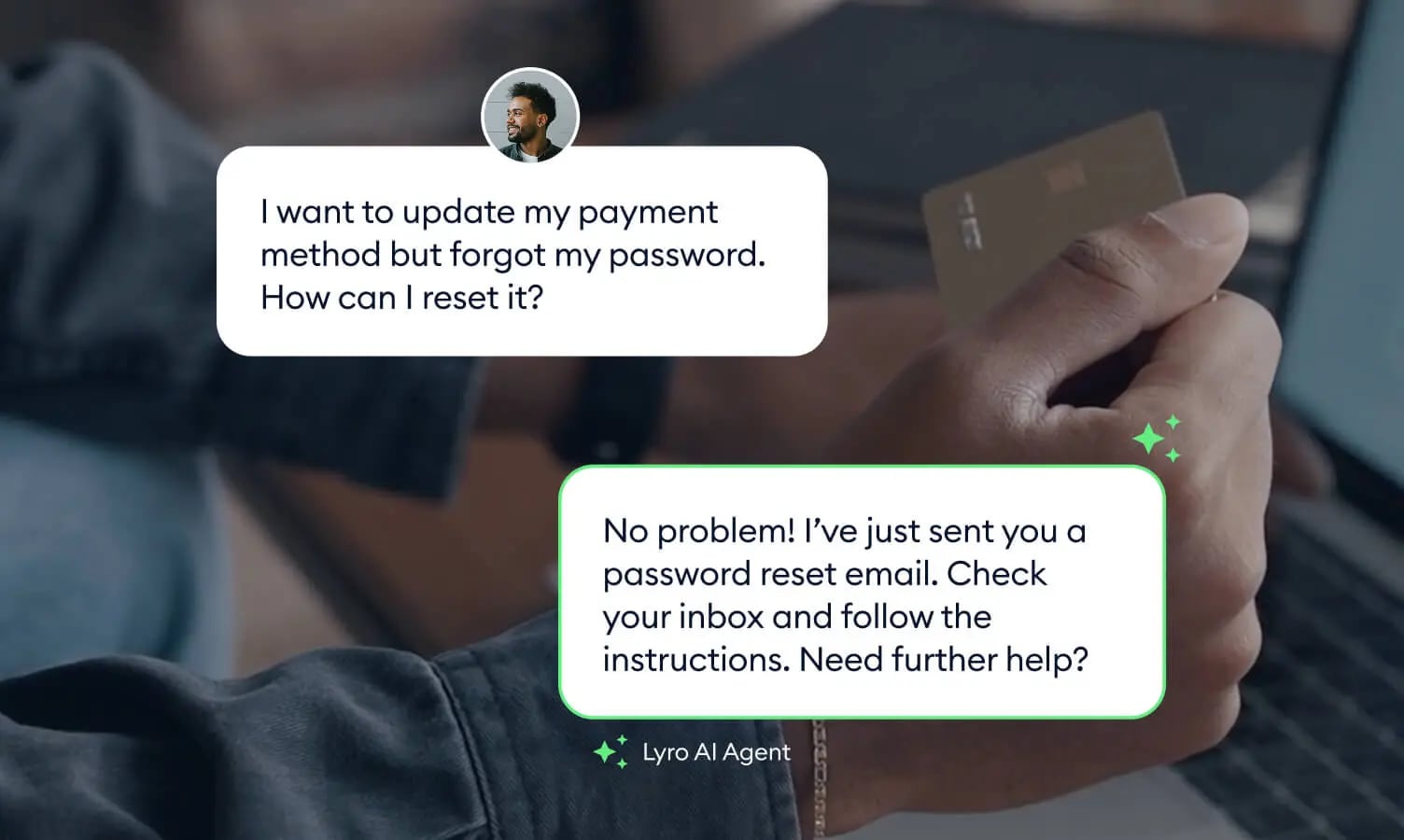
Tidio product interface.
| Criterion | HelpKnow AI | Tidio | NICE CXone |
|---|---|---|---|
| Primary focus | Enterprise AI agent platform | AI chatbot + live chat for SMBs and ecommerce | All-in-one CCaaS and CX orchestration |
| AI resolution | 95% automatic problem resolution rate | Lyro solves up to 67% of problems | AI-driven self-service within a broader suite |
| Deployment effort | Minimal technical effort; upload docs, FAQs, and product databases | Low effort; flow designer and Lyro training | Larger implementation typical of contact center suites |
| Omnichannel | Desktop, website, and social media | Website chat, email, and multi-channel tickets | Omnichannel routing across voice and digital |
| Analytics | Conversation quality analytics with real-time monitoring | Live dashboard for real-time interactions | Advanced analytics and journey orchestration |
| Compliance | GDPR, CCPA, and other global standards | Trustworthy AI positioning | Enterprise-grade, industry-specific packages |
| Best fit | Enterprises wanting high automation with light setup | Growing businesses wanting AI plus human chat | Large contact centers orchestrating complex journeys |
Where HelpKnow AI has a supported advantage
HelpKnow AI is built for enterprises that want AI to carry the bulk of customer conversations without a heavy build. Its stated results — a 95% automatic problem resolution rate and a 70% reduction in customer service costs across more than 1,000 enterprises — reflect a platform designed around resolution, not just deflection.
Minimal-effort deployment with multi-format ingestion
Instead of building conversational flows by hand, teams upload documents, FAQs, and product databases. HelpKnow AI ingests multiple data formats and uses AI-powered intent recognition to match queries accurately. That shortens the path from onboarding to live AI answers.
Customizable AI personas
Brand voice matters in enterprise support. HelpKnow AI lets teams define AI personas that match the tone and terminology of the business, so automated answers do not read like generic bot output.
Conversation quality analytics and real-time monitoring
Resolution rate is only useful if you can see it. HelpKnow AI includes conversation quality analytics with real-time monitoring, giving support leaders visibility into how the AI performs and where escalation is needed.
Omnichannel reach and human escalation workflows
HelpKnow AI connects across desktops, websites, and social media, and includes role-based human escalation workflows. When the AI cannot resolve an issue, the handoff follows defined roles rather than an ad hoc queue.
Compliance for regulated enterprises
Data protection compliance with GDPR, CCPA, and other global standards is part of the platform, which matters for enterprises handling sensitive customer data.
If you are also evaluating adjacent enterprise options, our comparisons of HelpKnow AI vs Nextiva vs Five9 and HelpKnow AI vs Intercom vs EasyAgent cover similar criteria in more depth.
Tidio's credible strengths
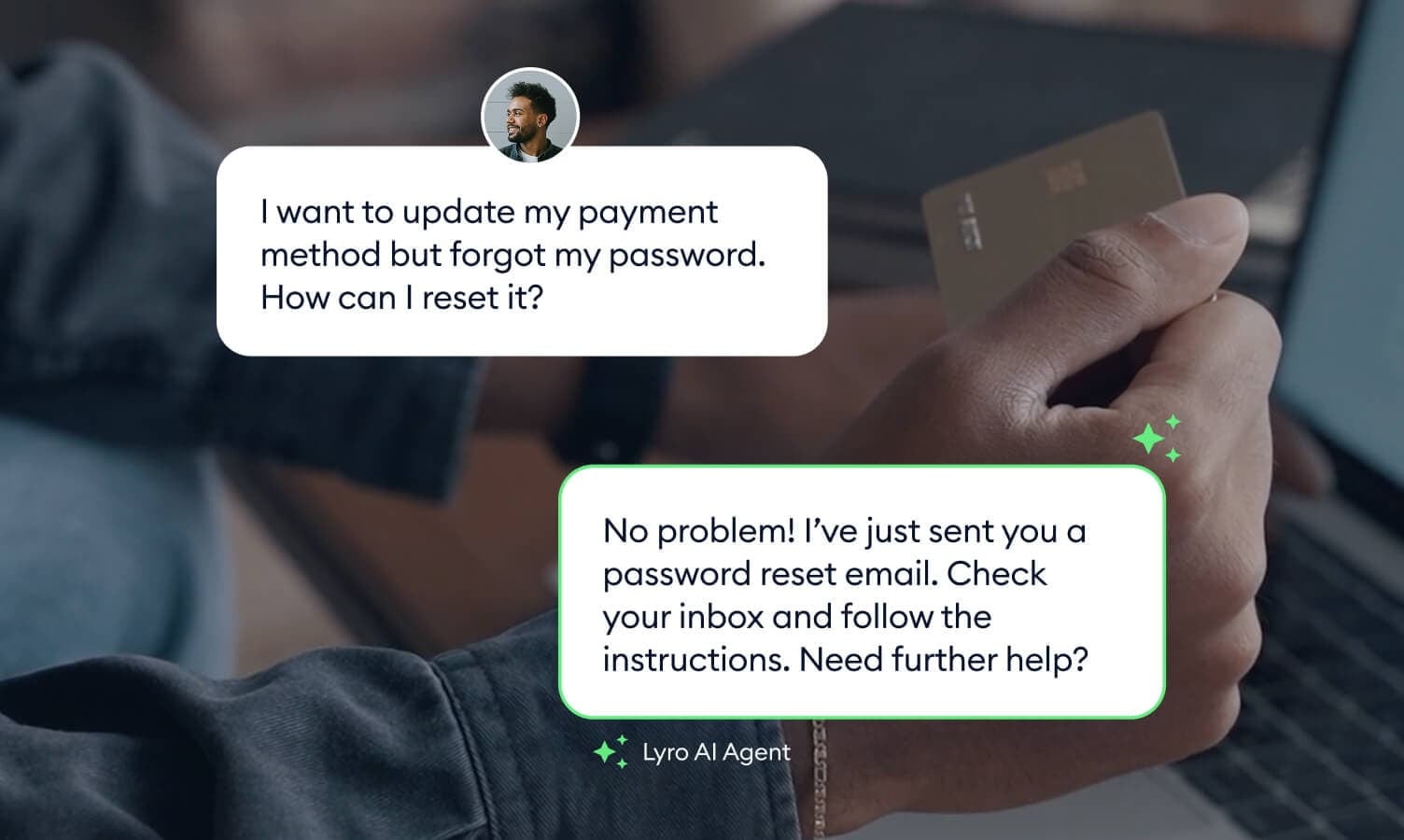
Tidio product interface.
Tidio earns its place with more than 300,000 businesses, and the reasons are straightforward.
Fast time to value for growing teams
Tidio combines the Lyro AI agent with a live chat widget and a help desk in one dashboard. Small teams can turn on AI answers and human chat without a lengthy implementation.
Strong ecommerce fit
Lyro is trained with ecommerce use cases in mind, and Tidio integrates with most ecommerce and ticketing platforms. For online stores, that alignment reduces setup friction.
Demonstrated self-service gains
Tidio's case study with Cove Smart reports a 70% increase in self-service resolution, an 80% reduction in response times, and a 35% boost in customer satisfaction — meaningful proof that the platform moves support metrics for the right business.
Accessible pricing tiers
With plans starting at entry-level monthly pricing and a premium tier with custom limits and expert support, Tidio scales from solo operators to larger teams without forcing an enterprise contract on day one.
NICE CXone's credible strengths

CXone product interface.
CXone is a different class of platform, and for large contact centers its breadth is the point.
Full CCaaS with journey orchestration
CXone unifies omnichannel routing, AI-driven self-service, agent assist, workforce engagement management, and journey orchestration. Organizations that need one system of record for the entire customer journey get it here.
Industry-specific packages
CXone offers packages tailored to sectors such as financial services, healthcare, insurance, retail, telecommunications, government, education, and BPOs. Higher education gets student journey orchestration; healthcare gets patient experience tooling; insurance gets policyholder journey management.
Flexible, usage-based pricing
Monthly billing in arrears with no prepay and tiered models that lower costs as usage grows gives large operations predictable scaling economics.
Production-scale agentic AI
CXone is positioned to move organizations from AI experimentation to full-scale production by harmonizing agentic AI, real-time data, and human expertise — a credible path for enterprises with mature data infrastructure.
How to decide between the three
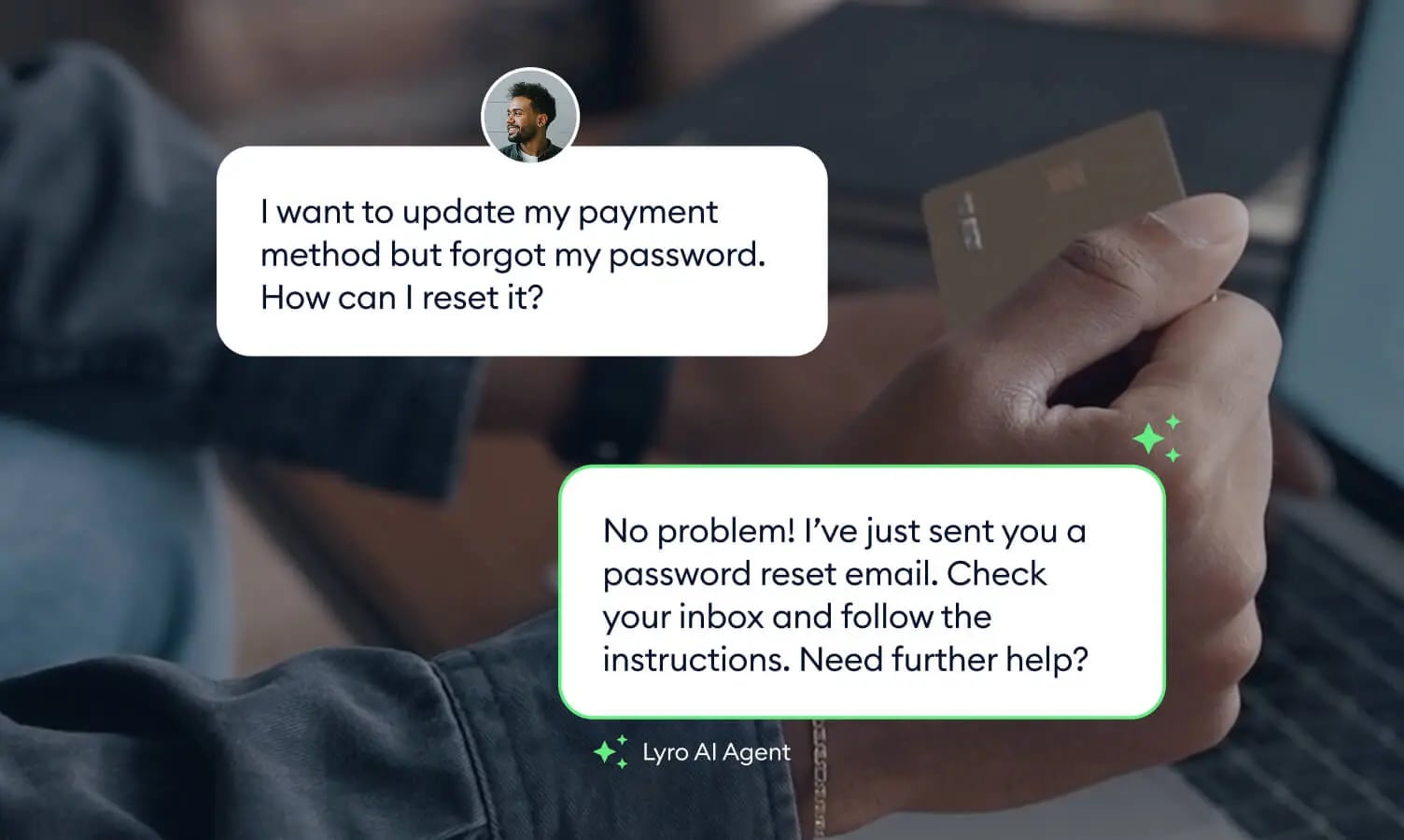
Tidio product interface.
Choose HelpKnow AI if...
- You are an enterprise that wants AI to resolve the majority of inquiries automatically.
- You need deployment that does not require a large engineering project.
- You want omnichannel coverage plus role-based escalation and compliance built in.
- Conversation quality analytics and real-time monitoring are central to your support governance.
Choose Tidio if...
- You run an ecommerce store or growing service business.
- You want AI answers and live chat in one affordable dashboard.
- You value fast setup and a help desk with smart ticketing over deep enterprise orchestration.
Choose NICE CXone if...
- You operate a large contact center across voice and digital channels.
- You need workforce engagement management and journey orchestration in one suite.
- Your industry has specialized journey requirements that CXone packages address.
For teams comparing enterprise-focused alternatives with similar evaluation criteria, see our breakdowns of HelpKnow AI vs Desk365 and HelpKnow AI vs HelpCrunch vs Richpanel.
Practical example: the same query, three platforms
A customer writes: "My order arrived damaged and I need a replacement before Friday."
- HelpKnow AI matches the intent against ingested policy and product data, drafts a resolution using the brand persona, and either confirms the replacement or escalates through a role-based workflow to a human with context attached.
- Tidio routes the message through Lyro, which can resolve common ecommerce questions quickly, and hands off to a live agent in the same dashboard if the case needs a person.
- CXone treats the interaction as part of a journey: routing, agent assist suggestions, and post-contact analytics feed into workforce and quality management.
Each outcome is valid — the difference is how much of the journey you need the platform to own.
Sources and further reading
- AllXOne - Command Your Digital World - A unified workspace for your intelligent agents. Simple, powerful, and beautifully designed.
FAQ
Is HelpKnow AI a replacement for Tidio?
They serve different scales. Tidio is a strong fit for ecommerce and growing businesses that want AI plus live chat affordably. HelpKnow AI targets enterprises that want a high automatic resolution rate with minimal deployment effort.
Can Tidio handle enterprise-scale support?
Tidio offers a premium tier with custom limits and expert support, and it is trusted by over 300,000 businesses. Enterprises with complex orchestration needs, however, often look at platforms built for that scale.
What makes NICE CXone different from both?
CXone is a full CCaaS platform with omnichannel routing, workforce engagement management, and journey orchestration, plus industry-specific packages. It is designed for large contact centers rather than lightweight chatbot deployment.
Which platform has the strongest compliance story?
HelpKnow AI states compliance with GDPR, CCPA, and other global standards. CXone serves regulated industries with enterprise-grade packages. Tidio positions itself around trustworthy AI; confirm current certifications directly with each vendor.
How long does deployment take?
HelpKnow AI emphasizes minimal technical effort through document and FAQ ingestion. Tidio is known for fast setup. CXone implementations typically involve more configuration because of the suite's breadth.
Conclusion
HelpKnow AI, Tidio, and NICE CXone are not interchangeable — they are built for different stages of support maturity. Tidio wins on accessibility and ecommerce speed. CXone wins on contact center breadth and journey orchestration. HelpKnow AI wins where enterprises need high automatic resolution, light deployment, omnichannel coverage, and compliance without a heavy build. Start with your resolution target and your implementation capacity, and the right platform becomes clear.
Sources: NICE CXone vs Tidio comparison, Tidio alternatives overview.